
AI in the service of heritage: Dynamic Pricing Droplabs and attendance prediction in shaping sustainable tourist behaviour in the Tatra National Park.
Context
For Poles, the Tatra National Park (TPN) is much more than just a park. It is of crucial importance both natural, cultural and symbolic. The park protects the unique fauna and flora of the highlands, including species-symbols such as the Tatra chamois or the brown bear. TPN actively conducts scientific research and educational programs (e.g. “Tatra Academy”), the aim of which is to increase ecological awareness and commitment to nature conservation. Tatra National Park is a place where millions of tourists come every year (in 2024 5 million!) in search of the beauty of nature, relaxation and mountain challenges.
Such huge popularity makes TPN the largest ticketed tourist attraction in Poland. This record volume of visits presents the Park with enormous challenges related to the effective management of tourist traffic while maintaining the protection of the fragile mountain ecosystem.
The Challenge
In 2023, Tatra National Park implemented a pioneering solution at that time on a national scale: the Dynamic Pricing system from Droplabs in the parking lot at Palenica Białczańska. This was a direct response to the growing problem of traffic congestion and infrastructure overload.
The main problem was the limited capacity of the parking lot at the key starting point to Morskie Oka. Tourists arriving without booking a seat in advance created traffic jams on the access road. In this way, they blocked access to the parking lot for those people who bought a ticket in advance and for whom a guaranteed seat was waiting.
In addition, the lack of predictability regarding the traffic for the next days made it difficult for the Park to plan communication to tourists or the required intensity of patrols of the Park Service.
For nearly three years of using Dynamic Pricing, the Tatra National Park (TPN) has consistently set and implemented new goals, responding to the challenges associated with mass tourist traffic.
Now let's take a look at how and what concrete results were achieved thanks to the involvement of TPN employees and management, supported by the Online Ticketing System with Dynamic Pricing and Attendance Prediction from Droplabs.
Solution
- In the first part, we look at Predicting attendance.
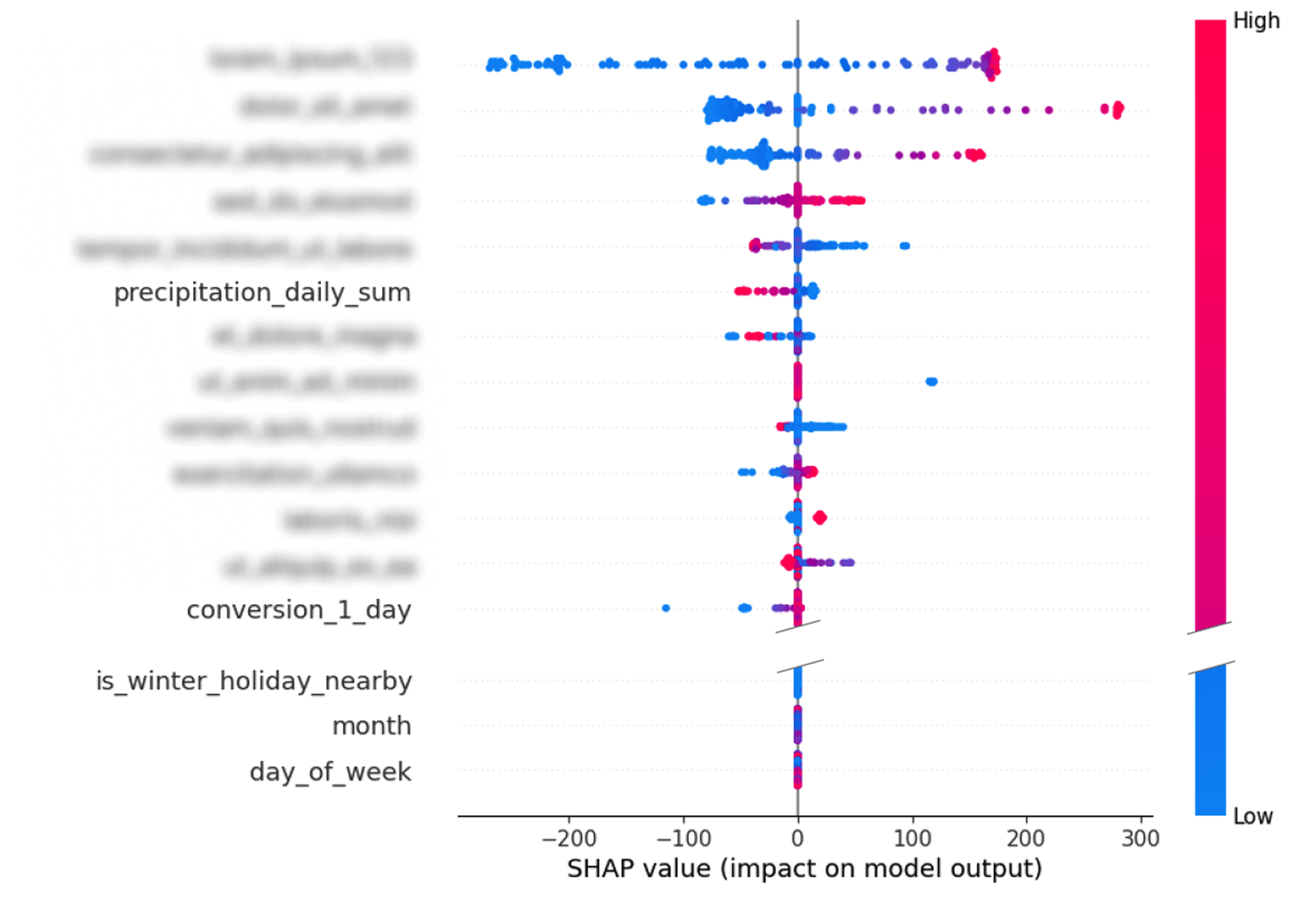
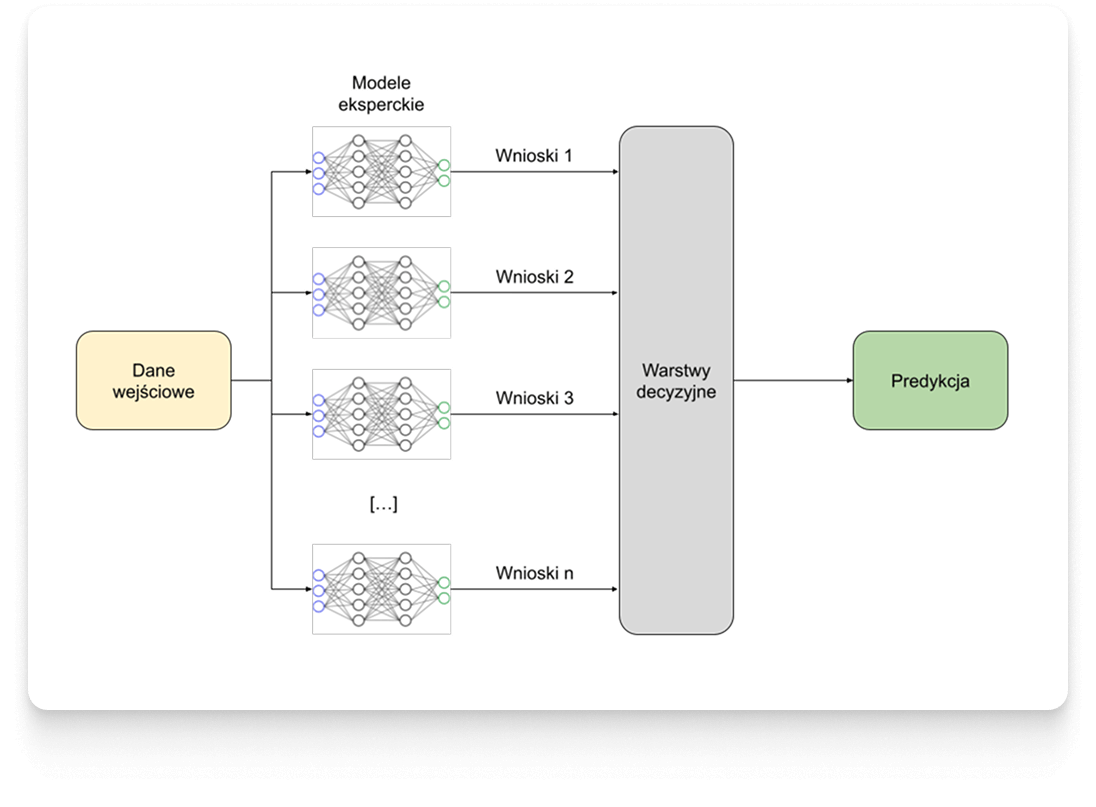
- In part two, we will delve into technological aspect of AI solutions used in TPN.
- Part 3 will show you how Dynamic Pricing Droplabs helps shape visitor behavior.
- Part 4 will address the question of how professional data monitoring, can help you achieve the goals of the organization.
- Part 5 focuses on how speed up car service was executed.
Final Conclusions
Thanks to the activities of the Tatra National Park team using modern solutions based on artificial intelligence (AI), the Park manages to effectively influence the change in the behavior of tourists. These changes contribute directly to protecting the fragile ecosystem and increasing the comfort and safety of visitors.
Until a few years ago, in terms of the tourist attractions industry, solutions such as intelligent price management to shape tourist behavior or prediction of attendance were not at hand, and the online channel was a marginal additional channel. At that time, the complexity of the sales system was often defined by the fact that the system was responsible for both online transactions, stationary sales and full service of tourists on site. It has long been the norm to accept with a separate block there is an accounting system for this.
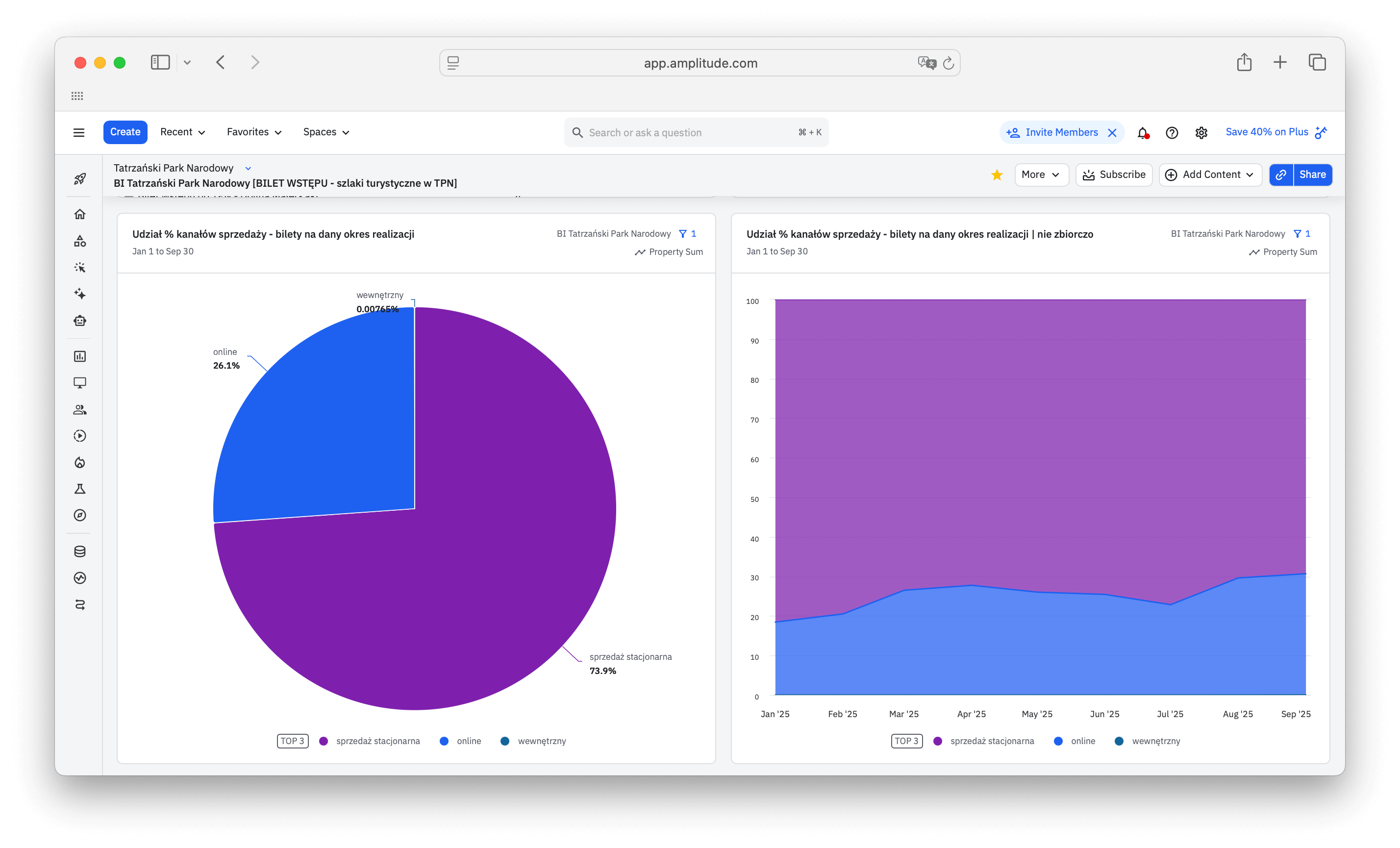
Currently, TPN — the largest ticketed attraction in Poland — proves that the online channel can be the dominant source of sales (reaching up to 90% share) and a comprehensive analytical and sales block is the combination of an efficient online sales platform, an AI-based price management engine and an attendance prediction module. This advanced block works independently, but where there is business justification, it can be precisely integrated, for example, with a stationary sales system, a parking management system or an accounting system.
Numerical summary of the results:
July 2025 - August 2025 (holiday 2025)
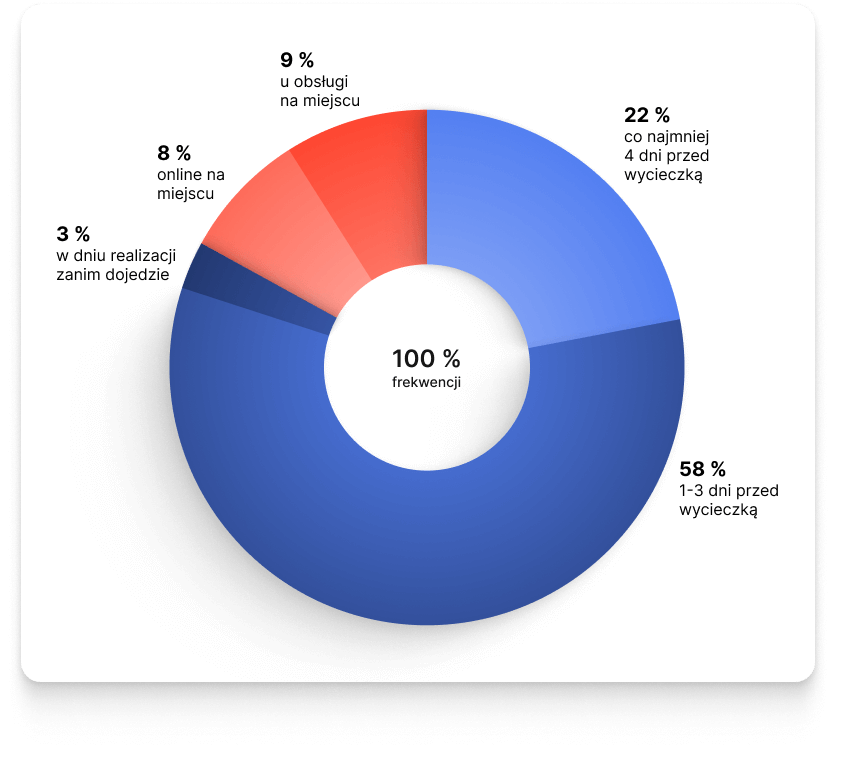
- 91% of tourists have a parking ticket purchased online.
- 83% have a parking ticket purchased before arriving at the site (purchased at least 15 minutes before logging the use by the barrier/parking service).
- 80% of tourists have a parking ticket purchased at least one day before the tour.
- 22% of tourists have a parking ticket purchased at least four days in advance!
- The scale of the parking is about 60 thousand cars with entrance tickets for two vacation months.
- 27% of tourists have an entrance ticket to the Park purchased online.
Twelve full months: October 2024 — September 2025
- 81% of tourists have a parking ticket purchased online.
- 74% have a parking ticket purchased before arriving at the site (purchased at least 15 minutes before logging the use by the barrier/parking service).
- 65% of tourists have a parking ticket purchased at least one day before the tour.
- 15% of tourists have a parking ticket purchased at least four days in advance.
- Additional revenue from price surpluses above minimum prices, generated in the online channel for TPN parking by the Dynamic Pricing Droplabs strategy - PLN 2 million.
- Refunds: 1.9% from online purchases of parking tickets.
- Date changes 0.1% from online purchases of parking tickets.
- The scale of the parking is about 200 thousand cars with entrance tickets per year.
- 25% of tourists have an entrance ticket to the Park purchased online.
And additionally for a period of six months: from mid-April 2025 to mid-October 2025:
- Almost 100 thousand marketing consents, which gives a potential communication reach to up to 335 thousand potential tourists.

.png)